


Making a Raspberry Pi powered AI to play piano
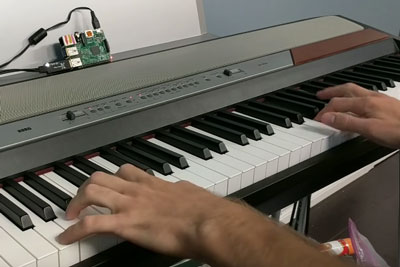
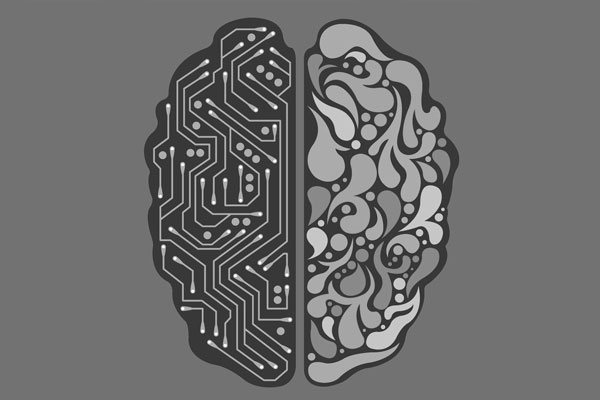
I was inspired by Dan Tepfer to explore my own universe of augmented piano playing: an artificial intelligence that learns piano in real time and improvises in the breaks between my own playing.
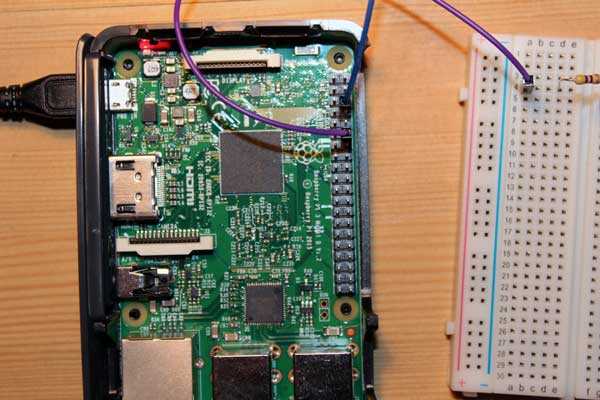
This workbench follows my attempts at smart devices that run on a Raspberry Pi. The goal is a small machine that can see, listen, speak, and automate most of the room without using much power.


Long form notes behind the projects, including the parts that failed first.
I was inspired by Dan Tepfer to explore my own universe of augmented piano playing: an artificial intelligence that learns piano in real time and improvises in the breaks between my own playing.
Auroras are random and give barely an hour of notice. So I built a Raspberry Pi alarm that watches the sky and flashes a light by my bed.
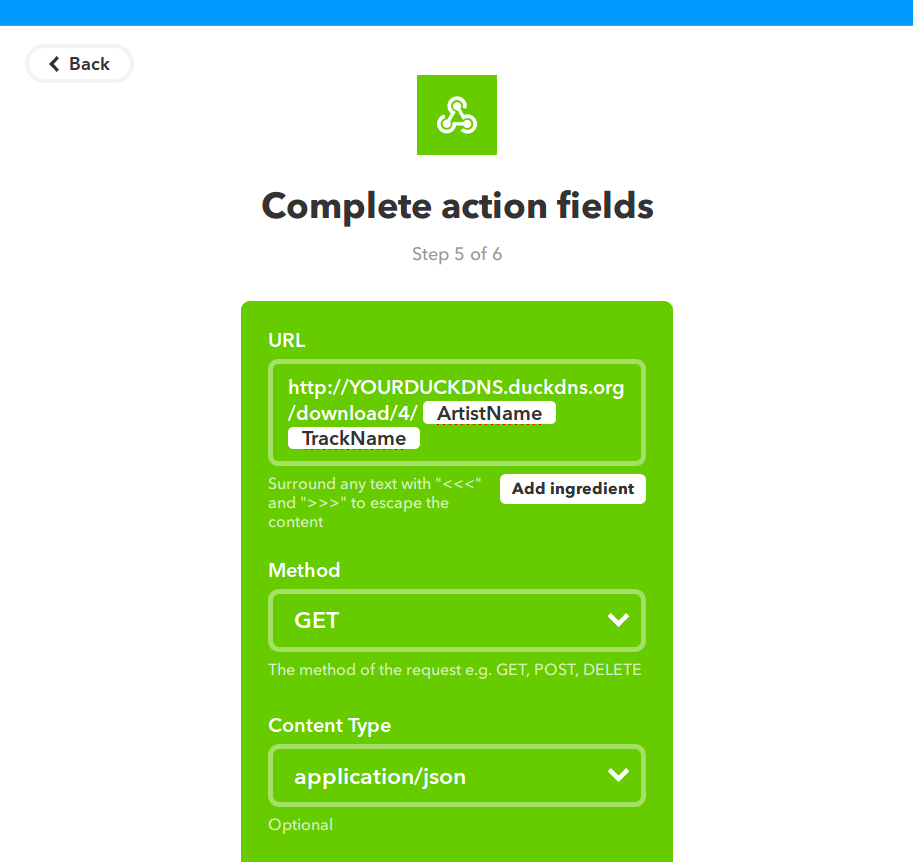
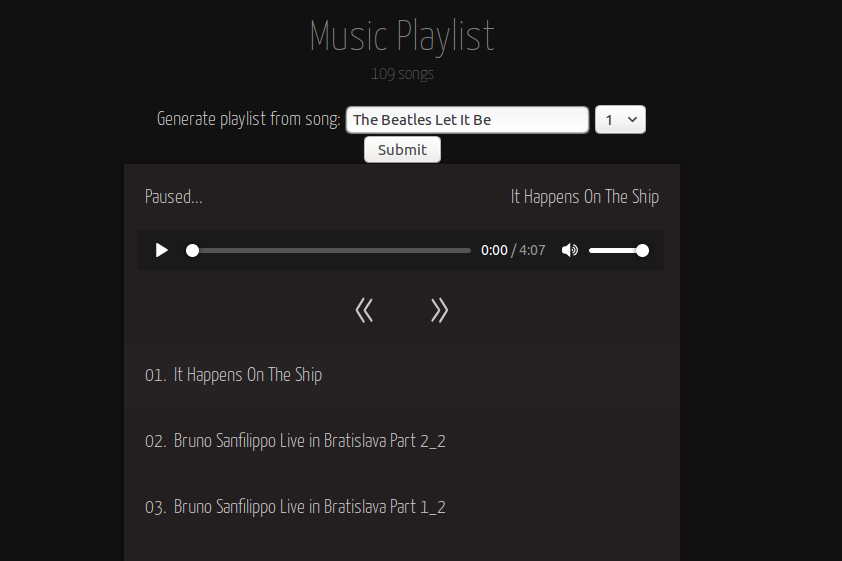
A beginner guide to a Raspberry Pi server that finds new songs related to any song I like on Spotify or YouTube.
Instructions for a DIY motion sensor built with cheap parts, an ATtiny85, and a 434MHz RF transmitter.
A fully functional AI on a Raspberry Pi, including voice recognition, facial recognition, and text to speech.
PocketSphinx benchmarks and setup notes for speech to text directly on a Raspberry Pi.
How fast can the GPIO pins read and write? I compared C, Go, and Python on a Raspberry Pi.
One year after my first web app, I rewrote it so that it runs on a Raspberry Pi with a third of the computing power.
A short shelf of sources and related reading. Opens in a new tab.